Baby Dahlia: A Delicate Script Font for Web Design
It was a late afternoon when I first tested Baby Dahlia in the hero section of a boutique online store. The sun had dipped low, casting a warm glow over my desk, and I needed a font that could capture that same softness in digital form. Baby Dahlia, with its elegant curves and gentle flourish, felt like the perfect match for a brand that sells handmade candles and natural skincare products. It’s not just a script font—it’s a whisper of creativity on every pixel.
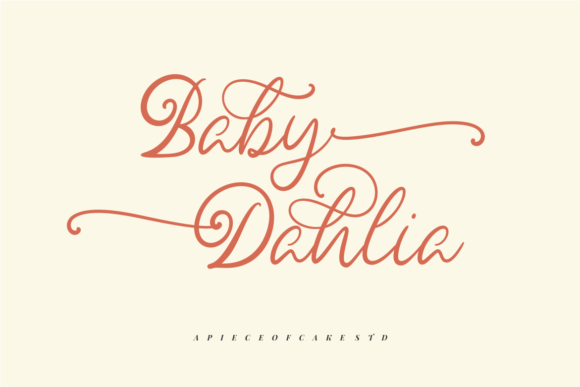
Baby Dahlia is a magical script font carefully crafted with a touch of elegance. As a web designer, I appreciate how it brings a sense of sophistication without overwhelming the design. Its visual personality is both feminine and refined, making it ideal for brands that want to convey warmth, care, and attention to detail. Whether you're designing a landing page for a wellness blog or a product banner for a creative studio, this font adds a layer of charm that feels intentional and well-suited to modern aesthetics.
Visual Characteristics and Digital Appeal
The typography of Baby Dahlia has a unique flow that mimics the strokes of a calligrapher’s pen. Each letter is designed with subtle variations in weight and curvature, giving it a hand-drawn feel that feels alive on screen. This makes it particularly effective for use in hero sections, where it can draw the eye and set the tone for the entire page. Its delicate nature also works well as a decorative accent in navigation menus or buttons, adding a touch of personality without distracting from the user experience.
I found that Baby Dahlia performs especially well on larger screens, where its details can be fully appreciated. On mobile devices, it still maintains legibility, though I recommend using it sparingly for short phrases rather than long paragraphs. When paired with a clean sans serif font like Helvetica Neue or Roboto, it creates a balanced contrast that supports readability while maintaining visual interest.
Practical Uses in Web Design
One of the most appealing aspects of Baby Dahlia is its versatility across different web elements. Here are a few realistic examples of how it can be used effectively:
- Hero Sections: Used as a headline for a creative portfolio or boutique website, Baby Dahlia adds a sense of artistry and individuality.
- Landing Pages: Ideal for course sales pages or coaching websites, it helps create an inviting and personal atmosphere.
- Call-to-Action Areas: Works well for buttons or banners that encourage engagement, such as “Shop Now” or “Join Us.”
- Blog Headers: Perfect for blog posts that focus on lifestyle, fashion, or beauty, it enhances the visual storytelling aspect.
- Digital Brand Kits: Can be used in logos or promotional graphics to maintain brand consistency and identity.
When testing Baby Dahlia on a product landing page for a handmade candle business, I noticed that it helped elevate the perceived value of the product. The font gave the page a more artisanal feel, aligning perfectly with the brand's mission and aesthetic. It also contributed to a cohesive look across all branded assets, from social media posts to email newsletters.
Readability and Responsiveness
As a web designer, I always consider how a font will perform across different screen sizes and resolutions. Baby Dahlia, while beautiful, is best suited for display purposes rather than body text. It shines in headlines, titles, and short phrases but may not be ideal for long blocks of copy due to its decorative nature.
For responsive layouts, I recommend using Baby Dahlia in combination with a high-contrast background or subtle shadow effects to ensure it remains readable on dark or light backgrounds. Testing it over image banners also showed that it blends well with visuals, creating a layered effect that draws the viewer in.
When working with small buttons or navigation links, I found that Baby Dahlia can be challenging to read at smaller sizes. In these cases, I suggest using a simpler font for functional elements while reserving Baby Dahlia for decorative accents or headings.
Font Pairing and Commercial Use
Pairing Baby Dahlia with a complementary font is essential for achieving balance in design. For a more modern look, pairing it with a sleek sans serif like Montserrat or Lato can create a stylish contrast. If you’re aiming for a more traditional feel, a simple serif font like Georgia or Times New Roman can work well too.
Before using Baby Dahlia on client projects, online stores, or digital templates, it's important to check the font's licensing agreement. Since it's available through Script Amp, I recommend confirming whether commercial use is permitted and what file formats are included. This ensures that you can use the font confidently across all your web assets without any legal issues.
In summary, Baby Dahlia is a versatile and elegant script font that can enhance the visual appeal of any web project. Whether you're designing a boutique website, a course landing page, or a digital brand kit, this font brings a sense of craftsmanship and creativity that resonates with users. Its ability to blend style with functionality makes it a valuable addition to any web designer's toolkit.