Buginese Script Font for Modern Branding
Opening a fresh brand board one morning, I was looking for something that would bring warmth and character to a boutique skincare line. I had just downloaded Buginese, an organic and gorgeous script font defined by simplicity and style. As I began testing it on a logo concept, I knew this typeface had the potential to be more than just another freebie from the Fonts category—it could become a key element of the brand’s visual language.
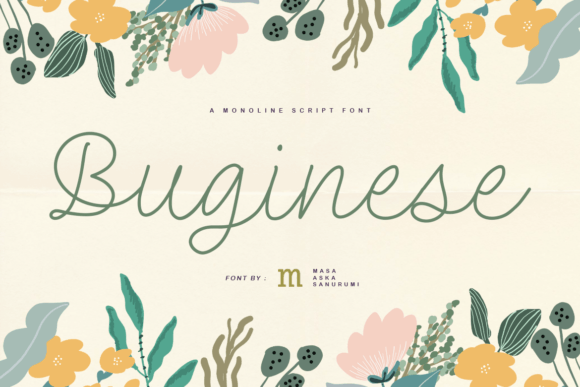
Buginese immediately caught my eye with its flowing curves and elegant structure. It feels handcrafted yet refined, making it perfect for projects that demand both personality and professionalism. Unlike some script fonts that feel too ornate or difficult to read, Buginese strikes a balance between charm and clarity. Its visual characteristics are soft but intentional, with subtle variations in stroke weight that give it a natural, handwritten feel without sacrificing legibility.
A Versatile Tool for Brand Identity
I tested Buginese across several branding elements—logo drafts, brand boards, packaging mockups, and even social media layouts. In each case, it performed well, especially when used as a display font or headline font. For the skincare brand, I paired it with a clean sans serif font for body text, which created a harmonious contrast between modernity and elegance.
On a product label mockup, Buginese added a touch of sophistication. The font’s gentle curves complemented the minimalist design of the packaging, reinforcing the brand’s message of natural beauty and simplicity. When applied to a business card, it felt inviting and approachable—perfect for a brand aiming to connect with customers on a personal level.
In a website header, Buginese brought visual interest without overwhelming the design. It worked particularly well in a hero section where it was used sparingly, allowing the rest of the content to breathe. On Instagram posts, it transformed simple captions into eye-catching statements, adding a creative flair that stood out in a sea of generic content.
When to Use Buginese and When to Avoid
Buginese is best suited for short phrases, headlines, logos, and decorative elements. It shines in branding projects that benefit from a warm, expressive tone—such as a handmade shop, a bakery, or a creative studio identity. However, it may not be ideal for long paragraphs of body text due to its script nature, which can reduce readability at smaller sizes.
If you're designing a formal corporate document or a data-heavy report, Buginese might not be the best choice. Its organic feel is more aligned with lifestyle, artisanal, or creative industries rather than traditional or technical fields. That said, it can still work as an accent font in these contexts if used thoughtfully.
Design Tips for Using Buginese
Before finalizing any client work, I recommend testing Buginese in various formats and sizes. See how it looks on a printed business card versus a digital banner, and ensure it maintains its appeal across different mediums. Also, consider the color contrast—Buginese works beautifully in monochrome but can also pop in muted pastels or bold metallic tones.
For font pairing, I found that Buginese pairs well with a modern sans serif like Montserrat or a classic serif like Playfair Display. These combinations create a balanced visual hierarchy, allowing Buginese to take center stage while maintaining readability and professionalism.
It's important to check commercial font licensing before using Buginese in client work, especially for brand identity, packaging, templates, merchandise, websites, or print-on-demand products. While it’s a Freebie, always confirm the terms of use to avoid any legal issues down the line.
Buginese is an excellent addition to any designer’s toolkit. Whether you're working on a café visual refresh, a skincare product brand, or a creative studio identity, this font offers a unique blend of simplicity and style that can elevate your designs. It’s not just another script font—it’s a versatile tool that can help shape the mood, tone, and personality of your brand in meaningful ways.