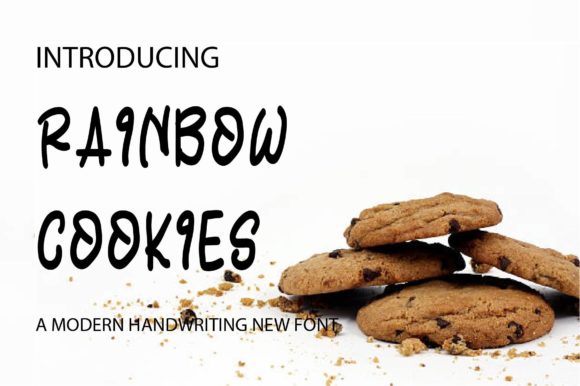
Rainbow Cookies Font for Web Designers
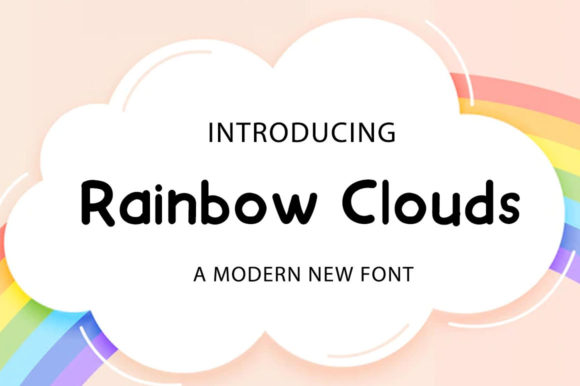
Rainbow Cookies is a handwritten font that brings a playful yet professional touch to digital projects. Its soft curves and elegant strokes make it ideal for creating visual interest without overwhelming the user. As a web designer, I've found that this font can elevate brand identity while maintaining readability across various digital platforms.
Visual Personality and Digital Appeal
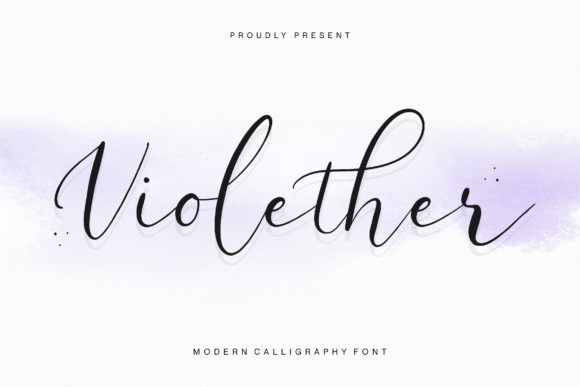
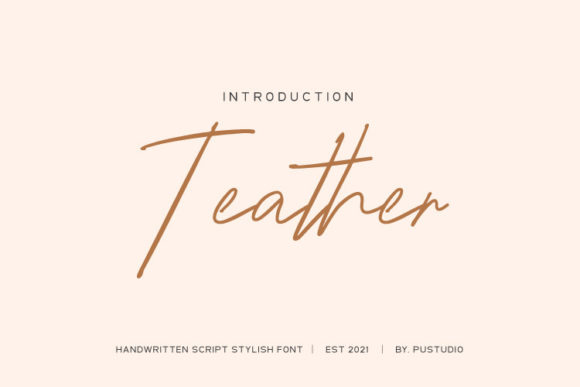
Rainbow Cookies has a distinct personality—casual yet refined. It’s not just a decorative font; it's a versatile tool that works well in both editorial and promotional contexts. The font’s flowing lines and subtle variations give it a handcrafted feel, making it perfect for creative brands or lifestyle-focused websites.
Its design is clean enough for modern interfaces but expressive enough for branding. Whether you're working on a landing page, social media graphic, or online store banner, Rainbow Cookies adds a layer of character that stands out in a sea of generic fonts.
Application in Web Design
Rainbow Cookies is especially effective in areas where visual hierarchy and brand tone are key. For example, using it in hero sections can draw attention immediately, while section headings benefit from its friendly yet professional appearance.
- Hero Sections: Use Rainbow Cookies for large, eye-catching titles that set the tone for your page.
- Landing Pages: Incorporate it into call-to-action buttons or headline text for a more engaging experience.
- Online Store Banners: This font works well with product images and promotional copy to create an inviting atmosphere.
- Blog Graphics: Rainbow Cookies can be used as a decorative element in headers or sidebars without overpowering the content.
- Digital Ads: Its unique style makes it suitable for campaign banners and social media posts that require visual appeal.
- Course Sales Pages: Pair it with a sans-serif body font for contrast and clarity, enhancing readability.
- Portfolio Sites: Use it for logo text or project titles to reflect a creative and personal brand.
Readability and Layout Considerations
While Rainbow Cookies is visually appealing, it's important to consider how it performs in different contexts. On mobile screens, ensure that the font size is large enough to maintain legibility. In responsive layouts, test how the font behaves at various breakpoints to avoid distortion.
When using Rainbow Cookies on dark backgrounds, consider adding subtle outlines or shadows to improve contrast. Conversely, on light backgrounds, the font remains clear and easy to read. It also pairs well with image overlays, as its soft edges blend naturally with visual elements.
Font Pairing and Stylistic Balance
Pairing Rainbow Cookies with other fonts can enhance the overall design. A common approach is to use it as a display font alongside a simple sans serif or serif font for body text. This creates a balance between visual interest and readability.
For instance, pairing it with a clean sans-serif like Montserrat or Open Sans provides a modern, balanced look. If you're aiming for a more editorial feel, consider combining it with a serif font like Playfair Display for a sophisticated aesthetic.
When designing for brand identity, consistency is key. Use Rainbow Cookies for specific elements like logos, headers, or promotional text, while keeping the rest of the typography minimal and functional.
Commercial Licensing and Practical Use
As a digital creator, it's essential to understand the licensing terms of any font you use. Rainbow Cookies is available for commercial use, which means it can be applied to websites, client projects, online stores, and digital templates. Always check the included styles, file formats, and webfont availability to ensure compatibility with your platform.
Additionally, consider whether the font supports multilingual characters if your target audience includes non-English speakers. This ensures that your design remains accessible and inclusive.
Conclusion
Rainbow Cookies is more than just a pretty font—it's a powerful design asset that can shape the user experience and reinforce brand identity. By understanding its strengths and limitations, you can effectively integrate it into your projects and create compelling, readable, and visually engaging digital experiences.